Early Roots of Classic Blues in the American South
bessie smith ma rainey The origins of classic blues are deeply rooted in the lived experiences of African American communities in the Southern United States during the late 19th and early 20th centuries. This musical form developed from work songs, spirituals, field hollers, and early folk traditions that carried emotional storytelling through rhythm and voice. These expressions became the foundation of what would later be recognized as blues music, a genre built on themes of struggle, love, resilience, and survival.
During this period, segregation and economic hardship shaped daily life, but they also created cultural spaces where music became a powerful outlet for expression. Traveling performers, tent shows, and vaudeville circuits allowed early blues to circulate across regions. These environments helped shape the structure of classic blues, which often followed a twelve-bar format while emphasizing emotional vocal delivery and lyrical storytelling.
The early blues scene also reflected the beginning of the Great Migration, when African Americans moved from rural Southern states to urban centers. This movement helped spread blues music across the country, eventually influencing jazz and popular music. It was within this evolving cultural landscape that artists like Ma Rainey and Bessie Smith emerged as defining voices of the genre.
Ma Rainey Life and Musical Breakthrough
Ma Rainey, often called the “Mother of the Blues,” was born Gertrude Pridgett in Georgia and began performing at a young age in minstrel and vaudeville shows. Her early exposure to stage performance allowed her to develop a commanding presence that would later define her career. She became known for blending emotional depth with theatrical expression, making her one of the earliest professional blues performers in American history.
Her musical breakthrough came in the early 1920s when the recording industry began actively seeking Black artists for what were known as race records. Rainey’s recordings captured the raw emotional power of Southern blues, including themes of heartbreak, independence, and social struggle. Songs like “See See Rider Blues” helped establish her as a major recording artist and cultural figure in the growing blues movement.
Beyond her recordings, Rainey’s influence extended to live performances where she used costumes, stage movement, and storytelling to elevate blues into a full theatrical experience. Her ability to connect deeply with audiences made her one of the most respected performers of her time, shaping the early identity of classic blues performance culture.
Bessie Smith Rise as Empress of the Blues
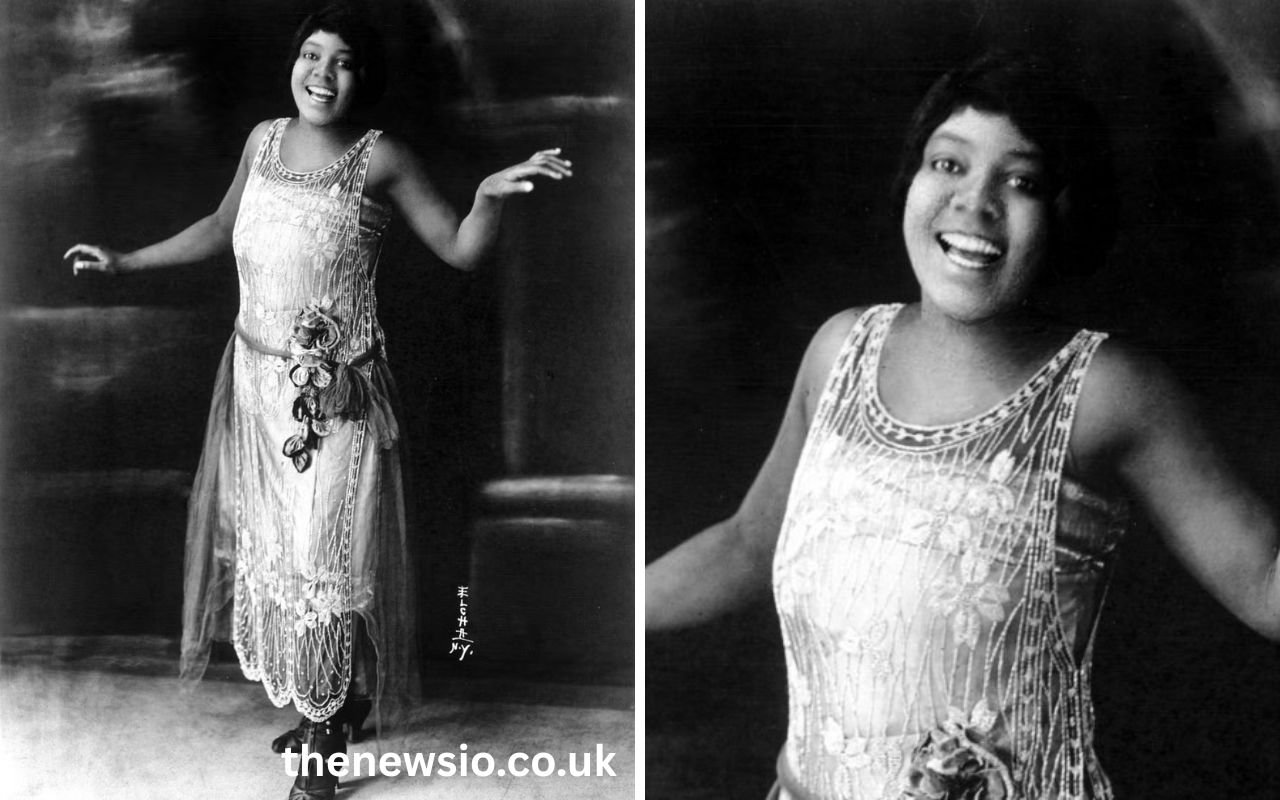
Bessie Smith rose from a difficult childhood in Chattanooga, Tennessee, to become one of the most powerful voices in American music history. Her early life was marked by poverty and loss, but she discovered her vocal talent through street performances and traveling shows. This early exposure to performance life helped shape her emotional intensity and vocal strength.
Her breakthrough came in 1923 with the release of “Downhearted Blues,” which became one of the most successful blues recordings of its time. The song’s commercial success transformed her career almost overnight, establishing her as a leading figure in the recording industry. Her deep contralto voice and emotional clarity made her recordings instantly recognizable and widely influential.
Smith’s rise earned her the title “Empress of the Blues,” reflecting both her popularity and her artistic dominance. She became one of the highest-paid Black performers of the 1920s, touring extensively and recording with top musicians of the era. Her success marked a turning point in blues history, bringing the genre into mainstream American music culture.
Mentor Relationship Between Ma Rainey and Bessie Smith
The relationship between Ma Rainey and Bessie Smith is one of the most significant mentor-mentee connections in blues history. Early in her career, Smith toured with Rainey, gaining firsthand experience in stage performance and professional touring life. This exposure helped Smith understand how to connect emotionally with audiences while maintaining vocal power and presence.
Rainey’s influence on Smith extended beyond performance technique. She introduced Smith to the structure of blues storytelling, where personal experience was transformed into universal emotional expression. This approach became central to Smith’s later success as a recording artist, allowing her to communicate raw emotion through her voice.
Although their careers eventually took different paths, their connection represents a generational bridge in blues evolution. Rainey embodied the theatrical roots of early blues, while Smith expanded its reach through recording technology and mass distribution. Together, they shaped the artistic foundation of classic blues as both a performance art and recorded tradition.
Recording Era and Race Records Industry
The 1920s recording boom transformed the careers of both Ma Rainey and Bessie Smith, as record companies began producing music specifically marketed to African American audiences. These recordings, known as race records, created one of the first commercial platforms for Black musical expression in the United States.
Rainey’s early recordings preserved the traditional Southern blues sound, characterized by emotional storytelling and strong rhythmic patterns. Smith’s recordings, on the other hand, brought a more polished and powerful vocal style that appealed to both Black and white audiences. Her collaboration with jazz musicians helped expand blues into new musical territories.
This era also exposed the inequalities of the music industry, where Black artists often received limited financial rewards despite their popularity. However, the recordings made during this period became invaluable cultural documents, preserving the voices and experiences of early blues pioneers for future generations.
Vocal Style and Musical Differences
The vocal styles of Ma Rainey and Bessie Smith represent two distinct approaches to classic blues expression. Rainey’s voice was deep, textured, and theatrical, often emphasizing storytelling and dramatic delivery. Her performances were highly expressive, blending music with stagecraft to create a full emotional experience.
Smith’s vocal style was more direct and powerful, characterized by a strong contralto voice that conveyed emotion with precision and intensity. She focused less on theatrical movement and more on vocal expression, allowing her recordings to carry deep emotional weight. This made her particularly effective in the recording studio environment.
Both styles contributed to the evolution of blues music. Rainey preserved its theatrical and folk roots, while Smith modernized its sound for the recording era. Together, they defined the emotional and stylistic range of classic blues, influencing generations of singers across multiple genres.
Cultural Impact on Jazz Gospel and Popular Music
The influence of Ma Rainey and Bessie Smith extends far beyond blues music itself, shaping the development of jazz, gospel, and early American popular music. Their vocal techniques, emotional phrasing, and storytelling approach became foundational elements in the evolution of modern vocal performance.
Jazz musicians such as Louis Armstrong were heavily influenced by Smith’s phrasing and emotional intensity, incorporating blues elements into instrumental improvisation. Rainey’s theatrical performance style also influenced stage presentation in both jazz and later rhythm and blues performances.
Their music also contributed to the development of gospel traditions, as emotional vocal expression became central to spiritual music in African American churches. The blending of sacred and secular musical traditions helped create a rich cultural foundation that continues to influence global music today.
Challenges Fame and Industry Struggles
Read More: Why Did Bob Dylan Wear Sunglasses? The Real Reasons Behind His Iconic Style and Mystery
Despite their success, both Ma Rainey and Bessie Smith faced significant challenges as the music industry evolved. The rise of swing music and changing public tastes in the 1930s reduced demand for classic blues performers, leading to fewer recording opportunities and declining commercial visibility.
The Great Depression further impacted the entertainment industry, limiting touring opportunities and financial stability for many artists. Even though Smith remained a popular performer, she faced increasing difficulty maintaining her earlier level of success. Rainey eventually withdrew from large-scale performance, returning to a quieter life in her later years.
These struggles highlight the instability of early recording careers and the structural inequalities faced by Black performers. Despite their fame, both women experienced the fragile nature of success in a rapidly changing industry that often failed to support its most influential artists.
Legacy Influence in Modern Music and Culture
The legacy of Ma Rainey and Bessie Smith continues to shape modern music, from blues and jazz to soul, rock, and contemporary pop. Their recordings remain essential listening for understanding the roots of American musical expression and vocal performance.
Modern artists frequently cite their influence, particularly in emotional delivery and storytelling techniques. Their work has also been preserved through cultural studies, music education, and artistic reinterpretations that keep their contributions alive in public memory. They are widely regarded as foundational figures in American cultural history.
Their enduring impact lies in their ability to transform personal struggle into universal art. Through their voices, they created a musical language that continues to resonate across generations, ensuring their place as timeless icons of classic blues and American music heritage.