The Rise of Bob Dylan’s Sunglasses as a Signature Look
why did bob dylan wear sunglasses Bob Dylan did not start his career with sunglasses as a defining feature, but over time they became one of the most recognizable parts of his appearance. During the early 1960s, as he transitioned from a young folk singer in New York’s Greenwich Village to an international voice of a generation, his public visibility increased rapidly. With that exposure came the need to manage both attention and image.
As photographers followed him constantly and media appearances multiplied, Dylan’s look began to evolve. Sunglasses gradually became more frequent, especially during press events and performances. What began as an occasional accessory slowly turned into a consistent visual element that fans came to expect.
By the mid-1960s, the sunglasses were no longer just an accessory but part of his identity. Whether he was performing live, appearing in interviews, or simply being photographed on the street, the dark lenses became a barrier between him and the public gaze.
Stage Lights, Flash Photography, and Physical Comfort
One of the most practical reasons Bob Dylan wore sunglasses was the intensity of stage lighting and photography equipment during his rise to fame. In the 1960s, concert lighting was often extremely bright and unfiltered, designed to illuminate entire stages without concern for performer comfort.
Photographers also used flash bulbs that were harsh and frequent, especially during press events and public appearances. This combination created a visually overwhelming environment for performers who were constantly in the spotlight. Sunglasses helped reduce glare and allowed Dylan to perform with greater ease.
Over time, this practical solution became routine. Even as lighting technology improved, the habit remained. For someone performing across long tours and televised appearances, the simple act of wearing sunglasses helped manage eye strain and visual fatigue.
Eye Sensitivity, Vision Needs, and Everyday Practicality
Another widely discussed reason behind Bob Dylan’s sunglasses is related to eye comfort and possible sensitivity to bright environments. While not always publicly detailed in medical terms, many performers of his era adapted their appearance based on visual needs.
Bright studio lights, outdoor performances, and constant travel between different environments can create strain for anyone with sensitive eyes. Sunglasses offered a practical solution that worked across all these settings without requiring constant adjustments.
In some cases, sunglasses also functioned as a combination of vision correction and protection. Whether prescription lenses or tinted overlays were used, the result remained the same: a more comfortable visual experience during demanding schedules.
Privacy, Emotional Distance, and Control Over Public Image
As Bob Dylan’s fame grew, so did public curiosity about his personality, expressions, and private life. Sunglasses became a powerful tool for controlling how much of himself he revealed to the world. By covering his eyes, he limited the most expressive part of his face from constant scrutiny.
This created a sense of emotional distance that matched his often reserved and enigmatic personality in interviews. Fans and journalists could hear his words, but his inner reactions remained partially hidden, adding to his mysterious presence.
In many ways, the sunglasses functioned as a boundary. They allowed him to participate in fame while still maintaining a degree of separation from it. This balance between visibility and privacy became central to his public identity.
The Role of Sunglasses in Building Bob Dylan’s Mystique
Bob Dylan’s sunglasses did more than serve practical needs—they became part of his artistic persona. As his music shifted from acoustic protest songs to electric and experimental styles, his image also became more layered and less predictable.
The sunglasses contributed to a sense of ambiguity that surrounded him. He was visible, yet not fully accessible. Present, yet difficult to read. This duality matched the complexity of his songwriting, which often left meaning open to interpretation.
Over time, the dark lenses became symbolic of his mystique. They helped shape the idea of Dylan not just as a musician, but as an evolving cultural figure whose identity was never fully fixed or easily defined.
Fashion Influence and Counterculture Identity in the 1960s
During the 1960s and 1970s, sunglasses became an important part of youth culture and countercultural fashion. Musicians, artists, and writers often used clothing and accessories to express individuality and subtle rebellion against mainstream norms.
Bob Dylan’s sunglasses naturally aligned with this cultural movement, even if his motivation was not purely fashion-driven. His consistent use of dark frames contributed to a broader aesthetic that emphasized simplicity, detachment, and artistic independence.
As fans began imitating his style, the sunglasses took on additional meaning. They became associated not just with Dylan himself, but with an entire era of music and cultural change where image and identity were closely connected.
Wearing Sunglasses Indoors and at Night: Habit or Symbol?
One of the most curious aspects of Bob Dylan’s style is his occasional choice to wear sunglasses indoors or at night. This behavior has led to speculation, but the explanation is more practical and psychological than mysterious.
In many cases, indoor environments still involve strong artificial lighting, especially on stages, television sets, or recording studios. Even at night, concert lighting can be intense enough to justify continued use of tinted lenses for comfort.
Beyond practicality, habit also plays a major role. Once sunglasses became part of his public identity, removing them in certain settings may have felt unnatural. Over time, they became less of an accessory and more of a consistent part of his “on-stage” presence.
Media Interpretation and the Growth of the Dylan Myth
Read More: How to Layer a Sweater: The Ultimate Guide to Stylish and Functional Outfit Layering
As Bob Dylan’s fame expanded, media interpretation played a major role in shaping how his sunglasses were perceived. Journalists and fans often searched for deeper meaning in his appearance, turning simple choices into symbolic narratives.
The sunglasses were frequently described as a sign of mystery, rebellion, or emotional detachment. While these interpretations added richness to his public image, they were often more reflective of cultural imagination than documented intent.
Over time, the line between reality and myth began to blur. What started as a practical and stylistic choice evolved into a cultural symbol that represented far more than its original purpose.
The Lasting Legacy of Bob Dylan’s Sunglasses
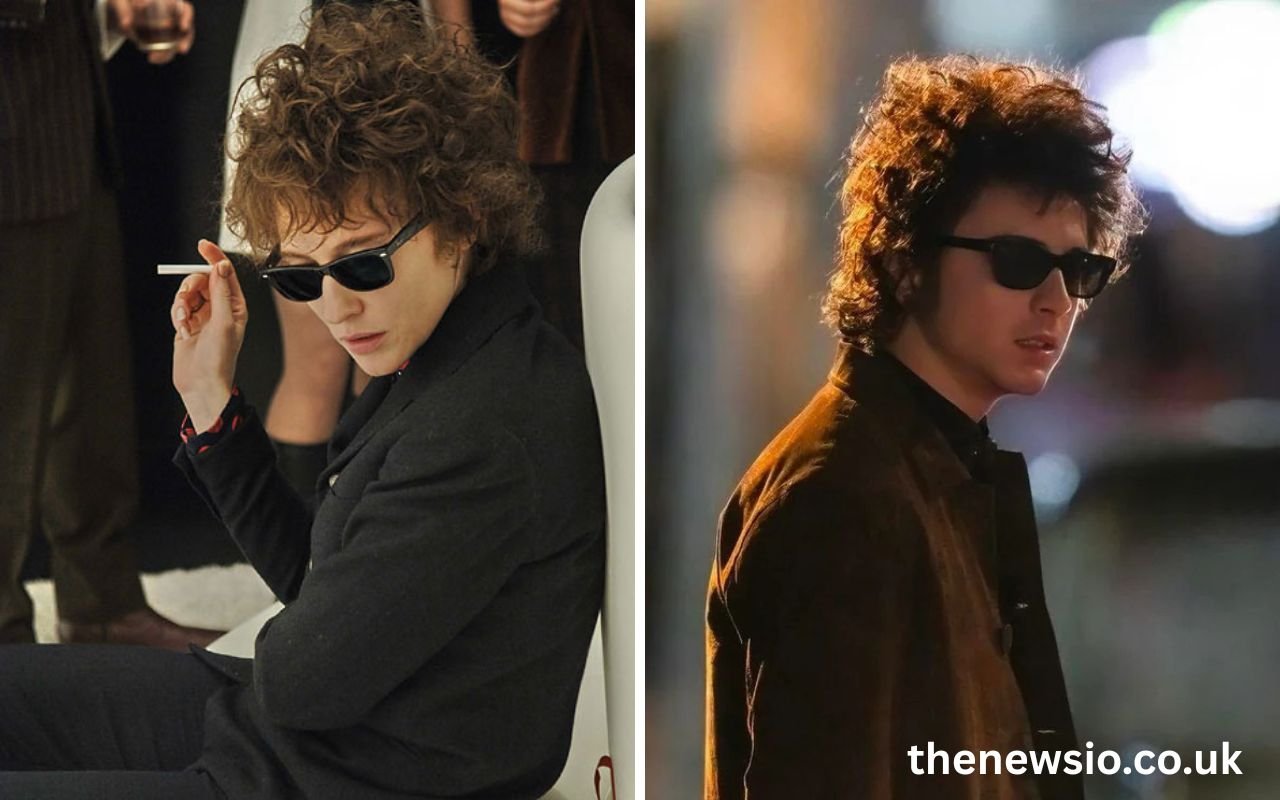
Today, Bob Dylan’s sunglasses remain one of the most enduring visual symbols in music history. They continue to appear in photographs, documentaries, and artistic representations of his life and career.
Their influence extends beyond Dylan himself. Many artists and performers have adopted similar styles, consciously or unconsciously echoing the aesthetic he helped popularize. The sunglasses became part of a broader cultural language associated with creativity and individuality.
Ultimately, the reason Bob Dylan wore sunglasses cannot be reduced to a single explanation. It was a combination of comfort, habit, privacy, and identity. Over time, this simple accessory became inseparable from his legend, helping define one of the most iconic figures in modern music history.