Heather Mills Modelling Beginnings and Early Life in the UK
Heather Mills’ modelling journey began in the UK during the late 1980s, a period when she was still establishing her identity and career direction. Growing up in a working-class environment, she did not follow a traditional elite fashion pathway, but instead entered the industry through small opportunities that gradually built her exposure. Her early life experiences shaped a strong determination to work in public-facing roles, which eventually led her toward modelling and promotional assignments in London.
Her initial involvement in modelling was not marked by high-fashion runway shows or luxury brand campaigns. Instead, she started with smaller commercial jobs, including promotional modelling and photography sessions that were common entry points for aspiring models in that era. These early experiences helped her understand the competitive nature of the UK fashion and advertising industry, where visibility often depended on persistence rather than formal training.
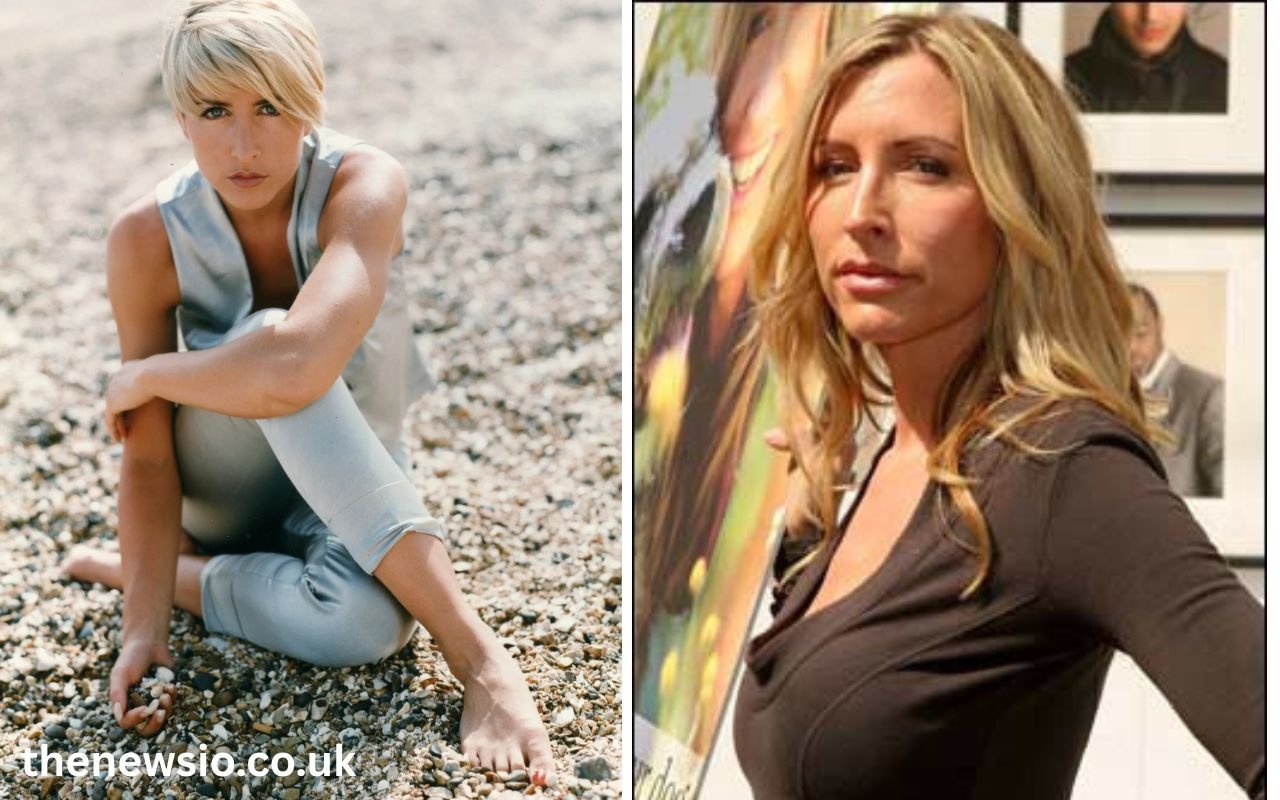
During this period, Heather Mills began building a portfolio that reflected a mix of commercial appeal and editorial experimentation. While she was not yet a widely recognized figure in fashion, she was slowly gaining experience in front of the camera, learning how to adapt to different styles of shoots. This foundational stage became an important stepping stone in her modelling career development.
Entry into Glamour Modelling and Editorial Photography Work
As her career progressed, Heather Mills became associated with glamour modelling and editorial photography, which played a significant role in her early visibility. This type of modelling in the late 1980s and early 1990s often involved stylized, artistic, and sometimes provocative photo shoots for magazines and advertising campaigns. Her participation in this space placed her within a competitive and evolving segment of the UK modelling industry.
Her glamour modelling work helped her gain more recognition, although it also contributed to later media scrutiny. At the time, such assignments were a common route for models seeking exposure outside mainstream fashion runway circuits. These shoots often focused on lifestyle, beauty, and expressive photography rather than high-fashion editorial standards.
Over time, some of these images were re-circulated in media discussions, particularly when her personal life gained public attention. This created a lasting association between her name and glamour modelling, even though her career included a broader range of professional work beyond these early photographic assignments.
Development of a Commercial Modelling Career in London
Heather Mills also participated in commercial modelling work, which formed a practical and steady part of her early career. This included promotional campaigns, print advertisements, and product-based photography assignments that were essential for building visibility in the UK market. Commercial modelling at the time was a key entry point for many aspiring models who were not yet part of elite fashion agencies.
Her work in this area helped her develop versatility in front of the camera. Commercial modelling required adaptability, as it often involved representing everyday products and services in relatable and approachable ways. This experience allowed her to refine her posing, expression, and professional presence.
Although she did not become a dominant figure in international fashion campaigns, her commercial modelling work provided financial stability and industry experience. It also allowed her to expand her professional network within London’s modelling and media circles, which played a role in her later opportunities.
Media Attention and Public Interest in Her Modelling Background
Heather Mills’ modelling career gained renewed attention when she became a public figure through her personal relationships and activism. Media outlets often revisited her earlier modelling work, framing it within broader narratives about her life story. This shift in focus transformed her modelling background into a subject of public discussion rather than purely professional history.
Some media coverage emphasized her glamour photography, often presenting it in sensational terms. This selective focus contributed to a mixed public perception of her modelling career, where certain aspects were highlighted more than others. As a result, her professional identity became closely tied to media interpretation rather than industry classification.
Despite this, her modelling work remains a documented part of her early career. While media narratives often shaped public opinion, her actual experience included a wider range of assignments that reflected the diversity of the UK modelling industry during that period.
Transition from Modelling to Business and Advocacy Work
Heather Mills eventually moved away from modelling as her life circumstances and priorities changed significantly. A serious accident in the early 1990s had a profound impact on her personal and professional direction, influencing her decision to focus on advocacy and public service. This marked a turning point in her career trajectory.
Following this transition, she became actively involved in humanitarian and disability rights campaigns. Her experiences as an amputee played a central role in shaping her advocacy work, particularly in raising awareness about landmine victims and accessibility issues. This shift redefined her public image beyond modelling.
Although her modelling career remained part of her background, it became secondary to her activism and public speaking roles. She increasingly positioned herself as a campaigner and entrepreneur, using her platform to support social causes and charitable initiatives.
Public Image and Reinvention After the Fashion Industry
As Heather Mills’ public profile grew, she underwent a process of reinvention that moved her away from her modelling origins. She became widely recognized for her activism, media appearances, and business ventures, which expanded her influence beyond the fashion industry. This transformation was gradual but significant in shaping her long-term reputation.
Her modelling past continued to be referenced, but it no longer defined her professional identity. Instead, she was increasingly seen as a public figure involved in advocacy and entrepreneurship. This dual identity contributed to ongoing public curiosity about her earlier life and career.
Her reinvention highlights how individuals from modelling backgrounds can transition into entirely different professional roles. In her case, the shift from fashion modelling to public advocacy illustrates a broader pattern of career evolution influenced by personal experiences and public opportunities.
Media Controversy and Its Impact on Her Modelling Legacy
Read More: Goldie Ann Taylor: Biography, Historical Context, and Her Place in Educational Legacy
Heather Mills’ modelling career has often been discussed through the lens of media controversy. Some of the attention surrounding her early work was amplified by tabloid coverage, which tended to focus on sensational aspects rather than professional context. This shaped how her modelling history was perceived by the general public.
The repetition of certain images and narratives contributed to a long-lasting association between her name and controversial media stories. This overshadowed the more routine aspects of her modelling work, such as commercial and promotional assignments. As a result, her career is often remembered unevenly.
Despite this, her modelling legacy remains part of her broader biography. It reflects not only her early professional efforts but also the way media representation can influence public understanding of a career in fashion and modelling.
Heather Mills Modelling Legacy in Fashion and Popular Culture
Heather Mills’ modelling legacy is often viewed as a small but notable part of her overall life story. While she did not achieve international supermodel status, her early career reflects the accessible and varied nature of the UK modelling industry during the late 20th century. Her work demonstrates how modelling careers can develop through multiple entry points.
In popular culture, her modelling background is frequently mentioned alongside her activism and public life. This blending of professional phases has contributed to a complex public identity that spans fashion, media, and humanitarian work. Her story continues to attract interest in SEO searches related to her early modelling years.
Ultimately, her modelling career remains a reference point in discussions about media representation, career transitions, and public perception. It serves as an example of how early professional work can continue to influence a public figure’s narrative long after they have moved into different fields.