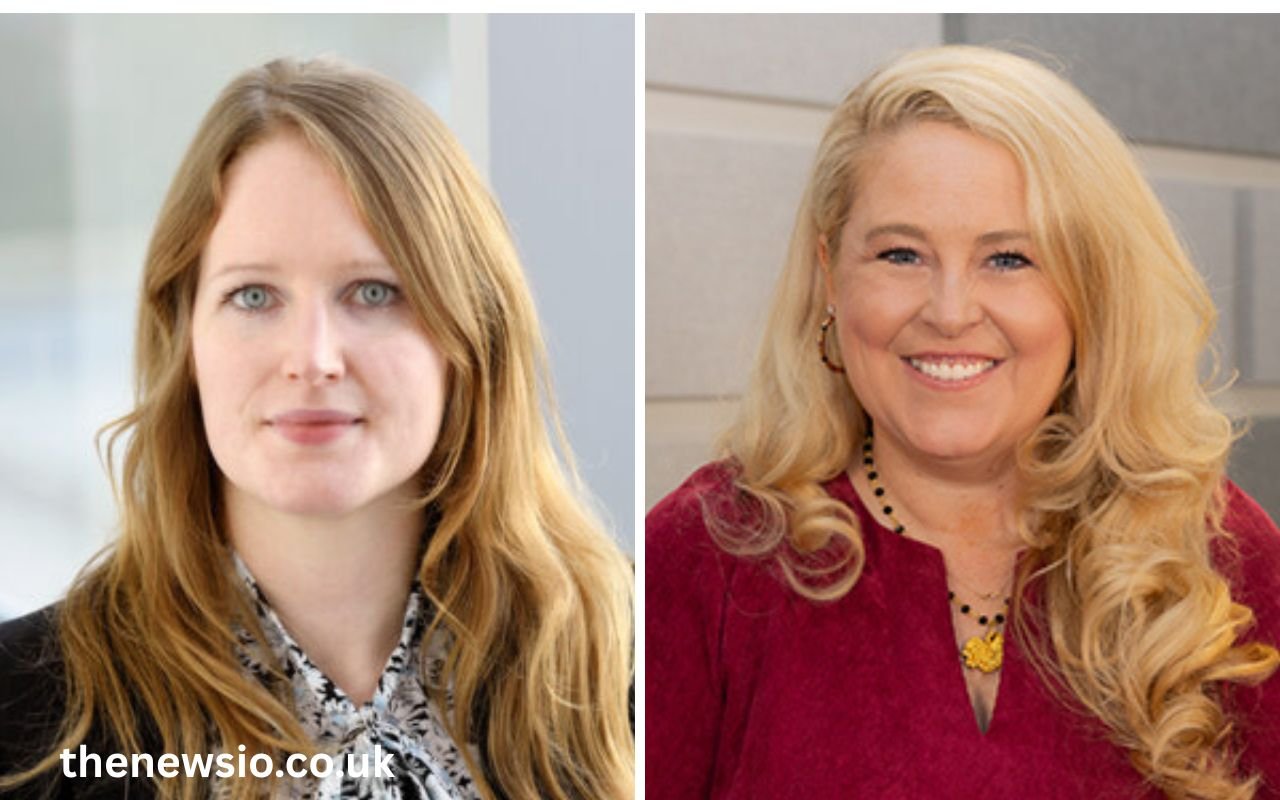
Early Life and Educational Foundations of Catherine Wiggins
Catherine Wiggins developed her early academic interests around analytical thinking, problem-solving, and structured decision-making. While specific personal details about her childhood remain private, her professional path strongly reflects a foundation built on discipline and academic achievement in finance-related fields. This early direction eventually guided her toward advanced qualifications in accounting and governance.
Her education focused heavily on financial systems, business performance, and management principles. These subjects helped her build a strong understanding of how organizations operate at both operational and strategic levels. Over time, this academic grounding became the base for her professional identity in finance and trustee work.
In addition to formal education, Catherine Wiggins’ development also reflects continuous professional learning. In fields like accounting and governance, ongoing training is essential, and she has consistently strengthened her expertise through certifications and real-world experience in financial oversight roles.
Professional Journey in Accounting and Financial Management
Catherine Wiggins built her career in the field of management accounting, where precision, forecasting, and financial interpretation play a central role. As a Chartered Global Management Accountant, she gained recognition for her ability to transform complex financial data into strategic insights that support organizational leadership.
Her work in accounting is not limited to reporting numbers. Instead, it involves understanding financial behavior, identifying risks, and helping organizations make informed decisions. This combination of analytical depth and practical application is a key feature of her professional identity.
Over the years, she has contributed to various financial systems that require accuracy, compliance, and long-term planning. Her experience includes budgeting frameworks, performance monitoring, and financial strategy development, all of which are essential in modern governance environments.
Role in Governance, Oversight, and Trustee Responsibilities
Catherine Wiggins is also recognized for her involvement in governance and trustee roles, where accountability and ethical oversight are critical. Trustees are responsible for ensuring that organizations remain financially stable, legally compliant, and aligned with their mission, and her financial background strengthens her ability to contribute effectively.
In governance settings, she plays a role in reviewing financial reports, assessing risks, and supporting strategic decisions. This ensures that organizations maintain transparency while also working toward sustainable long-term goals. Her input often helps bridge the gap between financial data and leadership decision-making.
Her approach to trustee responsibilities reflects a strong commitment to integrity. By focusing on clarity and responsible oversight, Catherine Wiggins supports systems that prioritize ethical governance and public trust, which are increasingly important in both nonprofit and institutional sectors.
Contribution to Media, Truth, and Institutional Accountability
Catherine Wiggins has been associated with work that intersects with media accountability and the protection of accurate information. In today’s environment, where misinformation can spread quickly, governance professionals play a key role in ensuring transparency and ethical reporting structures.
Her financial and governance expertise supports organizations that prioritize truth and reliability. By contributing to oversight structures, she helps maintain systems that safeguard editorial independence and responsible communication practices.
This involvement highlights a broader professional commitment to accountability. Catherine Wiggins’ work in this area reflects the importance of maintaining trust between institutions and the public, particularly in sectors where credibility is essential for long-term impact.
Leadership Style and Strategic Thinking Approach
Catherine Wiggins is known for a leadership approach grounded in structure, clarity, and analytical reasoning. Her style emphasizes evidence-based decision-making, where financial and operational data guide organizational strategy rather than assumptions or short-term thinking.
She often works collaboratively with senior leaders and executive teams, ensuring that financial insights are effectively integrated into broader strategic plans. This helps organizations align their resources with long-term objectives while maintaining operational efficiency.
Her leadership philosophy also emphasizes responsibility and transparency. By focusing on clear communication and ethical decision-making, Catherine Wiggins supports environments where accountability is embedded into every level of governance.
Financial Strategy, Risk Management, and Decision Support
One of the key strengths of Catherine Wiggins lies in her ability to support financial strategy development. She contributes to planning processes that help organizations allocate resources efficiently while preparing for future uncertainties and challenges.
Risk management is another area where her expertise is highly valuable. By identifying financial vulnerabilities and assessing potential outcomes, she helps institutions reduce exposure to uncertainty and maintain stability even in changing environments.
Her role in decision support ensures that leadership teams have access to accurate and meaningful financial insights. This enables better forecasting, improved budgeting decisions, and stronger alignment between financial planning and organizational goals.
Influence on Organizational Performance and Efficiency
Catherine Wiggins contributes to improving organizational performance by strengthening financial systems and reporting structures. Her work ensures that organizations can track progress effectively and make data-driven improvements over time.
Efficiency is a core focus of her approach. By refining financial processes and improving reporting accuracy, she helps reduce waste and improve the use of available resources. This leads to more sustainable operational models.
Her contributions often extend beyond finance, influencing broader organizational behavior. Through structured analysis and governance input, she supports systems that encourage accountability and continuous improvement.
Importance in Modern Finance and Governance Systems
Read More: : Tom Cavanagh Wife: Inside His Marriage to Maureen Grise and Their Private Family Life
In today’s complex financial environment, professionals like Catherine Wiggins play a critical role in maintaining stability and trust. Organizations increasingly depend on accurate financial reporting and strong governance frameworks to operate effectively.
Her expertise reflects the growing importance of integrated financial leadership, where accounting is not just about record-keeping but also about strategic influence. This shift has made roles like hers essential in both nonprofit and corporate sectors.
Catherine Wiggins represents a modern approach to governance and finance, where ethical responsibility, transparency, and analytical precision work together to support organizational success in a rapidly changing world.
Conclusion: Professional Identity and Lasting Impact of Catherine Wiggins
Catherine Wiggins has established herself as a finance and governance professional focused on accountability, strategic insight, and ethical oversight. Her career demonstrates how accounting expertise can extend beyond numbers into leadership and institutional development.
Through her work in financial management, trustee responsibilities, and governance systems, she has contributed to strengthening organizational transparency and decision-making processes. Her approach reflects a balance between technical skill and ethical responsibility.
Overall, Catherine Wiggins represents a model of modern financial leadership where clarity, structure, and integrity guide every professional contribution, ensuring long-term value for the organizations she supports.