Understanding the Fundamentals of Sweater Layering
how to layer a sweater Sweater layering is a core concept in modern fashion that blends practicality with personal style. It is not simply about wearing more clothing but about creating a structured outfit that manages warmth, comfort, and visual appeal at the same time. In everyday winter fashion and transitional weather styling, sweater layering has become essential for building versatile wardrobes that adapt to changing temperatures.
At its foundation, sweater layering relies on the idea of combining multiple clothing layers in a way that each serves a purpose. A base layer regulates moisture, a sweater provides insulation, and an outer layer protects from wind or rain. This structured approach helps maintain comfort without compromising style, especially in cold weather outfits where balance is important.
The key to mastering this concept lies in understanding how fabrics, fits, and silhouettes interact. When each layer complements the other, the outfit feels cohesive rather than bulky. This is why knitwear styling has evolved into a thoughtful process rather than a simple act of putting on warm clothes.
Choosing the Right Base Layer for Comfort and Warmth
The base layer is the foundation of any successful sweater layering outfit. It sits directly against the skin, which means its material and fit directly affect comfort throughout the day. Breathable fabrics such as cotton blends, merino wool, and thermal knits are often preferred because they help regulate body temperature efficiently.
A well-fitted base layer also ensures that the sweater worn on top sits smoothly without creating unwanted folds or bulk. In modern outfit layering, smooth silhouettes are highly valued because they create a clean and polished appearance. This makes the base layer an essential but often overlooked part of winter styling.
Beyond functionality, base layers can subtly influence style. A slightly visible neckline or cuff can add depth to an outfit without overpowering it. This small detail is commonly used in minimalist fashion, where understated layering creates a refined and intentional look.
Selecting Sweaters That Work Best for Layering
Not all sweaters are designed with layering in mind, which makes selection an important step in building a functional outfit. Lightweight knits, fine wool sweaters, and cashmere blends are often the most versatile because they provide warmth without excessive thickness. These materials allow for easy movement and smooth layering over base garments.
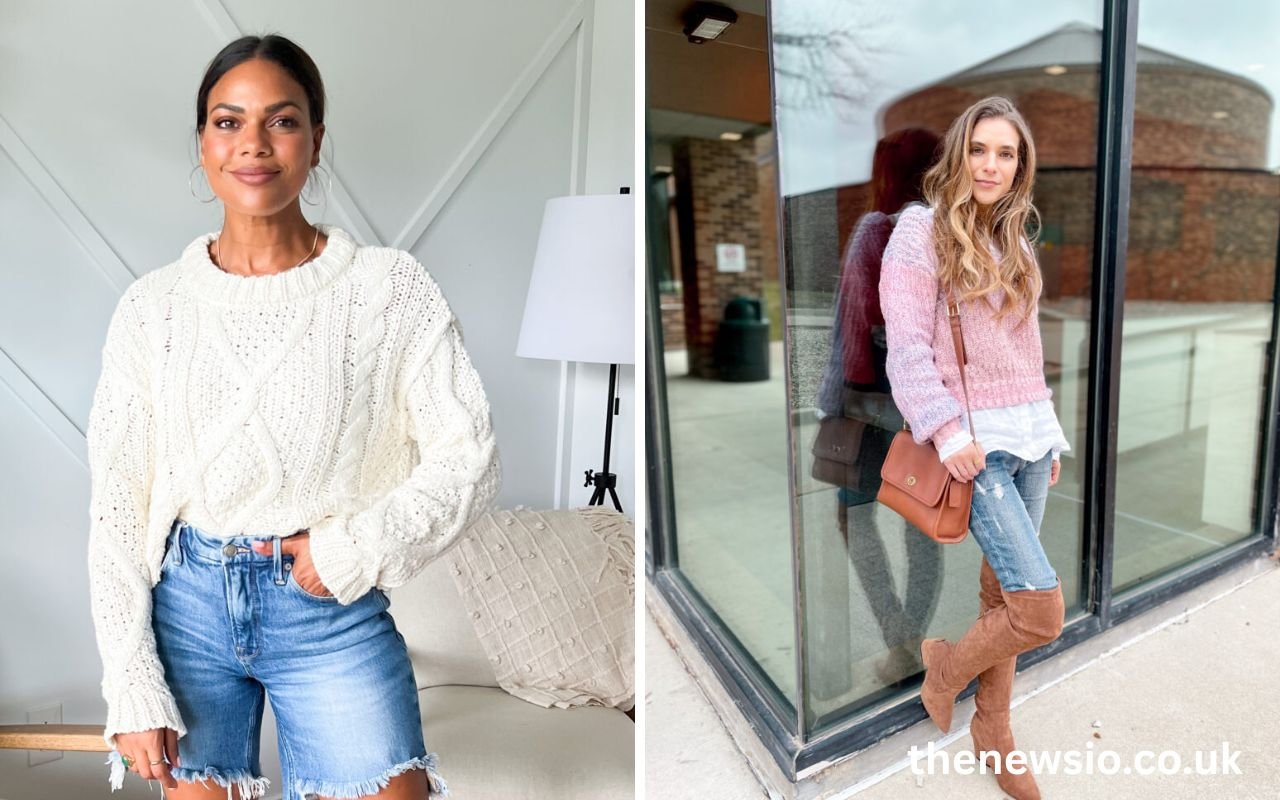
Oversized and chunky sweaters also have a place in modern fashion, but they require careful balance. When used correctly, they can create a relaxed and cozy aesthetic that works well in streetwear and casual winter fashion. However, they are best paired with slimmer base layers to avoid a heavy or unstructured silhouette.
Color and texture also play a major role in sweater selection. Neutral shades like beige, grey, navy, and black are widely used because they integrate easily into layered outfits. At the same time, textured knits such as ribbed or cable designs add visual interest and depth to simple combinations.
Layering Sweaters with Shirts and Turtlenecks
One of the most timeless approaches in knitwear styling is layering sweaters over shirts or turtlenecks. This combination creates structure while maintaining warmth, making it suitable for both casual and semi-formal settings. A collared shirt beneath a sweater introduces a clean and classic aesthetic that remains popular in modern fashion.
Turtlenecks, on the other hand, offer a sleek and uninterrupted neckline that enhances minimalistic styling. They work especially well as base layers because they eliminate the need for visible undershirts while still providing insulation. This makes them a favorite choice in refined cold weather outfits where simplicity is key.
The success of this layering style depends on proportion and fit. A shirt that is too loose or a sweater that is too tight can disrupt the overall balance. When done correctly, this combination creates a polished and intelligent look that works across different fashion environments.
Styling Sweaters Under Jackets and Coats
Adding jackets or coats over sweaters is a crucial step in completing a layered outfit. This outermost layer not only provides protection against wind and cold but also defines the structure of the entire look. Tailored coats, trench coats, and structured jackets are commonly used because they maintain clean lines over layered clothing.
The relationship between sweater and outerwear is all about proportion. A slim or medium-weight sweater typically works best under fitted coats, while slightly relaxed knits pair well with looser outerwear. Maintaining this balance prevents the outfit from appearing too bulky or too rigid.
This form of layering is especially useful in urban winter fashion, where outfits need to transition between indoor and outdoor environments. The ability to remove or add outer layers without disrupting the overall style makes this approach both practical and visually appealing.
Creating Balanced Proportions in Layered Outfits
Proportion is one of the most important elements in sweater layering, as it determines how the final outfit is perceived. A well-balanced silhouette ensures that no single layer overwhelms the others. This creates a natural flow that enhances both comfort and style.
Modern outfit layering often uses contrast in fit to achieve balance. A fitted base layer combined with a slightly relaxed sweater and a structured outer coat creates a gradual shift in shape that feels intentional. This technique is widely used in contemporary fashion styling because it flatters a wide range of body types.
Length variation also plays an important role in achieving proportion. A longer shirt under a shorter sweater or a slightly extended coat over a mid-length knit adds dimension. These subtle differences help prevent outfits from appearing flat or overly uniform.
Mixing Fabrics and Textures for Visual Depth
Fabric selection is essential in creating visually interesting layered outfits. Different materials interact differently when combined, and this interaction is what gives depth to sweater layering. Wool, cotton, cashmere, denim, and leather are often used together to create contrast.
When textures are mixed thoughtfully, even simple outfits can appear sophisticated. A soft knit sweater paired with structured denim or a smooth cotton shirt creates a clear distinction between layers. This contrast is a key principle in modern fashion layering techniques.
However, too much similarity in texture can make an outfit feel flat and uninteresting. Combining varied surfaces ensures that each layer stands out while still contributing to a unified look. This balance is what gives layered outfits their refined and intentional appearance.
Seasonal Approaches to Sweater Layering
how to layer a sweaterRead More: Travis Barker and Kourtney Kardashian: A Deep Look Into Their Love Story, Marriage, Family Life, and Celebrity Journey
Sweater layering changes significantly depending on the season. In colder months, thicker knits and insulated base layers are often used to trap heat effectively. These outfits tend to focus on warmth and protection while still maintaining a structured appearance suitable for winter fashion.
During transitional seasons like autumn and spring, layering becomes lighter and more flexible. Thin sweaters over breathable shirts or lightweight knits draped over shoulders allow for easy adjustment to changing temperatures. This creates outfits that feel effortless while still being functional.
Seasonal color choices also influence layering style. Darker tones are commonly used in winter for a grounded and cozy look, while lighter neutrals and soft shades are more popular in spring. These subtle shifts help keep wardrobe styling fresh throughout the year.
Avoiding Common Mistakes in Sweater Layering
One of the most frequent mistakes in sweater layering is choosing pieces that are too thick across all layers. This often results in an outfit that feels heavy and restricts movement. A better approach is to vary thickness so that each layer serves a distinct purpose.
Another common issue is ignoring fit balance. Wearing oversized pieces throughout can lead to a shapeless silhouette, while overly tight layers can feel uncomfortable and restrictive. A balanced mix of fitted and relaxed garments creates a more natural and flattering appearance.
Finally, overlooking fabric compatibility can weaken an otherwise well-planned outfit. When materials clash in weight or texture, the outfit can feel inconsistent. Thoughtful pairing ensures that every layer works together harmoniously, resulting in a polished and wearable style.